

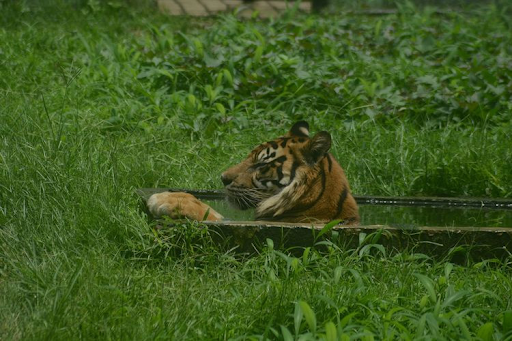
In the heart of West Java, Bandung Zoo has long been a place where families gather to look at all of Indonesia’s rich wildlife animals. Today, however, this sanctuary is facing a crisis that threatens the lives of over 700 animals, including some rare and endangered species. The cause is not disease or natural disaster, but a bitter legal dispute that has left the zoo’s gates closed and its animals on the brink of starving with very few days left to last.
What’s Happening at Bandung Zoo?
According to recent reports from The Jakarta Post and The Straits Times (source, source), the Bandung administration ordered the zoo closed in August after two rival factions each claimed the right to operate the facility. This legal standoff has frozen the zoo’s bank accounts and halted all ticket sales, which are the main source of income for animal care. As a result, the zoo has been unable to pay for food, medicine, or staff wages. Spokesperson Sulhan Syafi’i confirmed that funds are running dangerously low. This is a bad situation, and these two factors should be considering what is happening and come to an understanding until they resolve their problem.
The Impact on Animals and Staff
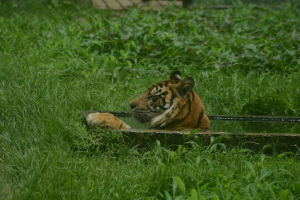
The consequences can be devastating. Tigers, Lions, elephants, birds, and even reptiles are all at risk. Caretakers & staff are doing their best to ration food amongst the animals, and working to keep the animals healthy, but time is of the essence, and it is running out. Some of the animals have already shown signs of malnutrition and weight loss. Dedicated staff have been using their own money even to buy food, but this is not sustainable. Where is the government in all of this? Not only to protect the people of the land but also the animals.
Why Did This Happen?
The legal battle stems from claims that are conflicting over the zoo’s management. While the courts take their time sorting out who is in charge, the animals suffer. This is not the first time Indonesian zoos have faced such challenges. During the COVID-19 pandemic, many zoos struggled with similar issues as closures cut off their income (RFI). During covid many zoos were scrambling to get money to keep their zoo animals with food – this possibly was a situation world wide – MEDAN ZOO – SUMATRA 2020
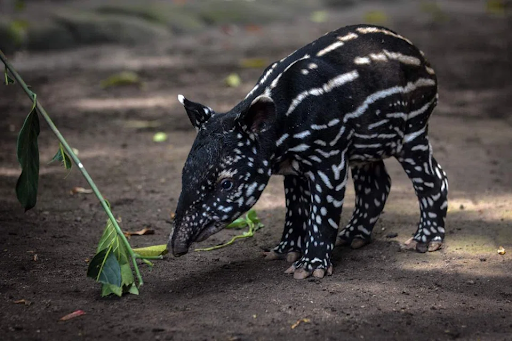
Image taken from the link below from Straits times.
What Can Be Done?
This situation calls for urgent action and long-term change. Here are some solutions that could help:
- Emergency government intervention: Local or national authorities could provide emergency funds or food supplies to keep animals alive while the legal process unfolds.
- Third-party mediation: An independent animal welfare organisation could step in to manage day-to-day care until a legal decision is reached.
- Transparency and oversight: Establishing clear, accountable management structures can prevent similar disputes in the future.
- Community support: Fundraising campaigns, public donations, or partnerships with local businesses can provide immediate relief.
- Legal reforms: Indonesia could develop stronger laws to protect zoo animals during management disputes, ensuring animal welfare is prioritised over corporate interests.
Caretaker feeding tiger at Bandung Zoo
A Personal Reflection
It’s deeply troubling to witness animals, who depend entirely on human care, caught in the crossfire of legal and financial battles. This crisis is not just about Bandung Zoo, but about how society values and safeguards its most vulnerable creatures. The staff’s dedication is inspiring, but they cannot solve this alone. It’s time for all stakeholders – government, courts, NGOs, and the public. to work together so that no animal is left hungry due to human disputes.
Sources: