





If you’ve been watching the current Bat Geo Travel voting (the one where three destinations are going head to head), you’ve probably noticed the same thing I have. On Instagram, Astungkara Trail looks like it’s winning hands down. The comments feel more passionate, the shares look more frequent, and the vibe is very much, “This is the one we want to see take it.”
And honestly, once you look beyond the Instagram hype and dig around for what the Astungkara Trail actually is, the momentum makes sense. This is not just another Bali activity. It is a long, immersive walk that takes you through the island’s living landscapes, and it is built around community, culture, and regeneration rather than rushing from one photo spot to the next.
So what is the Astungkara Trail, what makes it so good, and why is it shaping up like a clear winner?
What the Astungkara Trail actually is
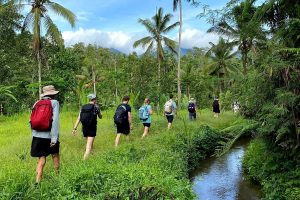
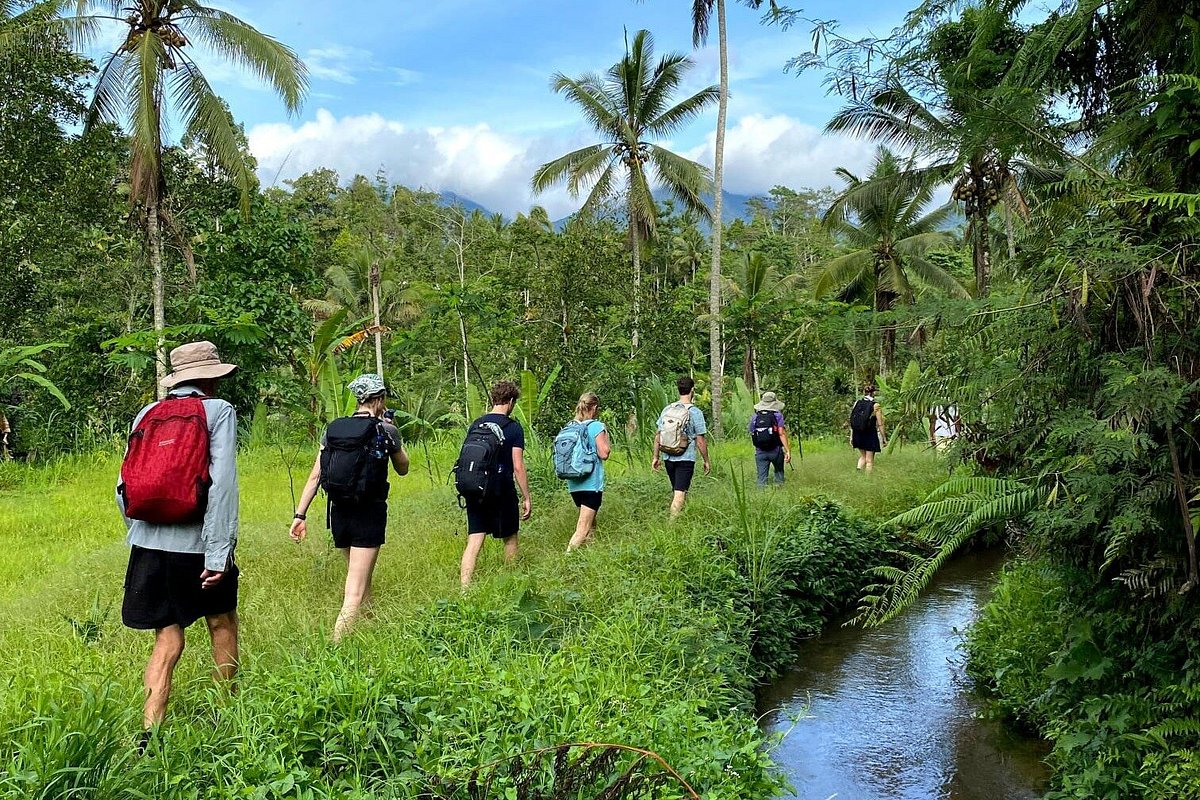
The Astungkara Trail is a multi day walking pilgrimage through Bali, designed for travellers who want to move slowly and go deeper. According to Astungkara Way, it’s a 10 day, 9 night journey that covers 117 kilometres, taking you from Bali’s black sand shores to the island’s northern waters. Along the way, you walk through rice terraces, food forests, sacred springs, and mountain villages.
That detail matters because it immediately separates it from the Bali most people know. This is not a day trip to a waterfall with a queue. This is the kind of experience where you start recognising plants, learning how villages work, and understanding why the island feels spiritual even when nobody is saying a word.
It is also an intentionally small group. Astungkara Way lists a maximum of 9 participants, which is a big clue about the style of travel they’re aiming for. Less crowd, more connection.
Why people are voting for it so hard
Instagram votes can be fickle, but when something is “winning hands down”, it usually means it hits a nerve. Astungkara Trail hits several.
1. It feels like the antidote to mass tourism
Bali is incredible, but it has also been loved hard. Many travellers are starting to feel a bit weird about doing the same packed itineraries that put pressure on the same places, the same roads, the same communities.
Astungkara Trail offers a different model. Adventure.com describes the broader Astungkara Way concept as Bali’s own “Camino”, an eco pilgrimage that is not designed as a brutal physical challenge, but as a cultural and environmental learning journey. That framing is powerful because it gives the walk meaning beyond fitness or scenery.
People are voting for the idea of a better kind of tourism.
2. It’s not just “nature”, it’s living landscape
A lot of travel marketing says “nature” and means a viewpoint. This trail is built around landscapes that are actively worked and cared for, like rice fields, farms, and village forests.
On the Astungkara Way trails page, they call these Bali’s first regenerative walking trails. That word regenerative is doing heavy lifting. It implies the experience is designed to leave something positive behind, not just take photos and leave footprints.
3. The human connection is built in
One of the biggest reasons experiences like this stand out is that you are not consuming a culture from the outside. You are learning directly from people who live it.
Adventure.com notes that along the route, hikers bring income to small communities by eating in local homes, sleeping in homestays, and joining lessons in cooking, crafts, and foraging. That is a very different travel feeling. It is personal, grounded, and memorable.
And that is exactly the kind of thing people talk about in comments when they are genuinely excited, not just casually liking a post.
What makes the trail so good, day to day
Even if you never saw the voting, the trail itself is stacked with reasons to do it.
You walk through wildly varied scenery
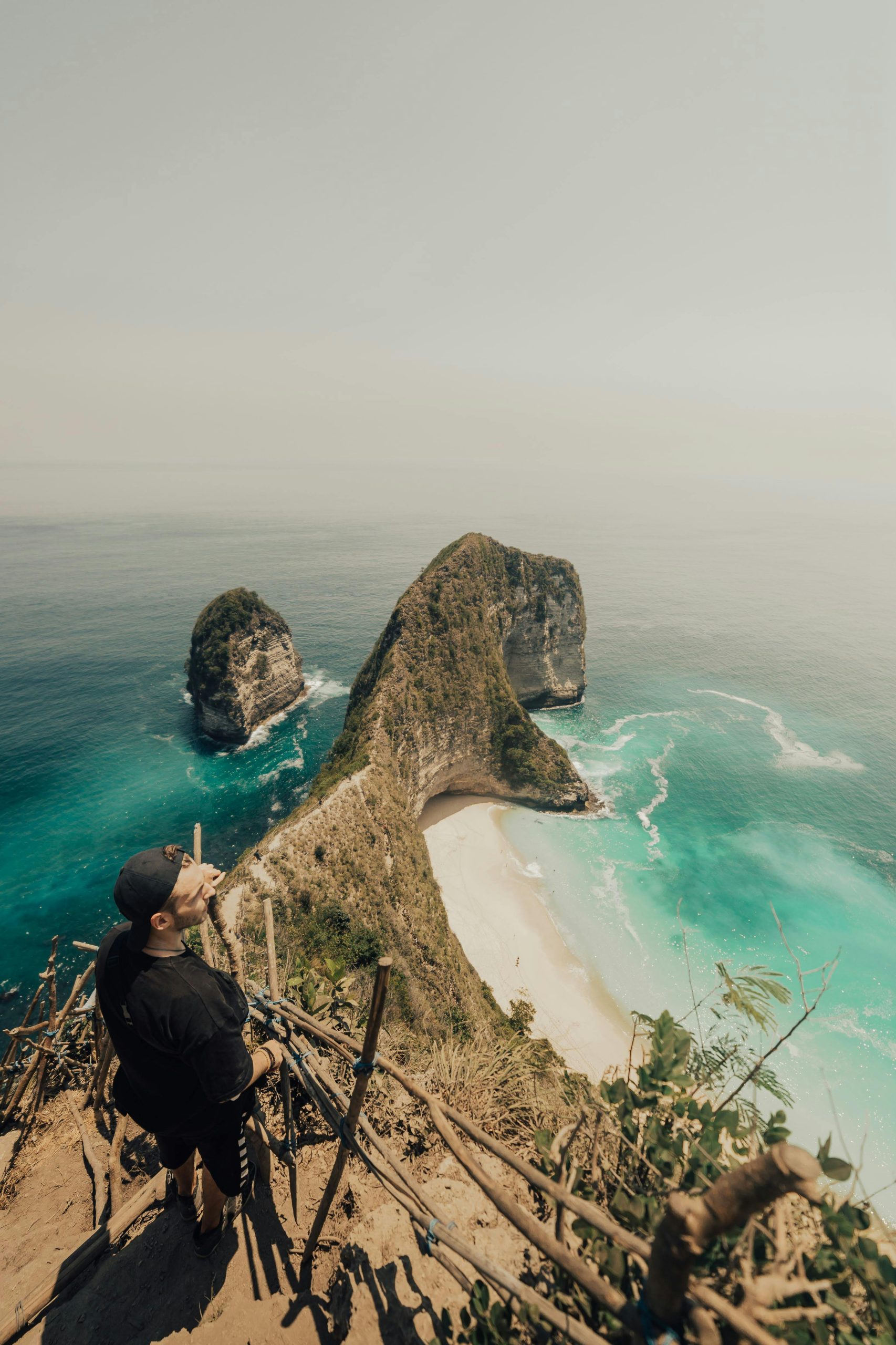
This is one of the underrated things about Bali. The island changes fast when you move away from the beach strip. You get rainforest, valleys, jungle covered peaks, farmland, villages, and coastlines, sometimes all in the same day.
The Astungkara Way site describes walking across rice paddies, remote villages, forests and coastlines. That variety keeps the experience feeling fresh, and it also gives you a real sense of Bali as a whole island, not just a holiday zone.
The food is a highlight, not an afterthought
Astungkara Way says the food is often cited as one of the highlights of their trails. It is locally sourced, vegetarian, and cooked using traditional recipes, with a no processed food, no preservatives and MSG policy.
That matters because food is one of the quickest ways to feel connected to a place. When meals are part of the story, not a rushed pit stop, the whole trip feels richer.
The rhythm is designed for humans, not hustle
They outline a typical day as starting around 7am with stretching and a light fresh breakfast, walking to the next destination and arriving by noon, then spending afternoons on activities that connect you with locals, followed by dinner, circle time, and reflection.
That structure is a big reason it feels like a “winner”. It is not trying to cram Bali into you. It is giving you space to actually be there.
Why it feels like a winner in 2026 specifically
Travel trends come and go, but right now, the direction is pretty clear. People want meaning. They want fewer crowds. They want to feel like their trip aligns with their values.
Astungkara Trail ticks those boxes without feeling preachy.
It is active, but not extreme. Cultural, but not staged. Sustainable, but still enjoyable. And it is designed around small groups, local knowledge, and real landscapes.
Also, the “pilgrimage” framing is having a moment globally. People are drawn to journeys that have a beginning, a middle, and an end, with some internal shift along the way. Even if you are not religious or spiritual, walking for days through villages and farms changes you. It slows your brain down. It makes you pay attention again.
That is hard to compete with in a simple Instagram vote.
Why you should visit, even if you’re not a hardcore hiker
You do not need to be a trekking person to love this. You just need to be the kind of traveller who wants to feel Bali, not just see it.
Visit if you want:
- A version of Bali that is quieter and more local
- A deeper understanding of farming culture, food systems, and village life
- A travel experience that supports communities in a direct way
- A trip that feels restorative rather than exhausting
- A story you will still be telling years later, because it was genuinely different
And if you are the kind of person who gets bored sitting by a pool for a week, but also does not want to climb a volcano at 2am, this sits in the sweet spot.
Final word
The Bat Geo Travel voting might be happening on Instagram, but the reason Astungkara Trail seems to be running away with it is bigger than social media. It represents the kind of travel people are craving right now. Slower, more respectful, more connected, and more real.
If Bali is on your list and you want to experience the island beyond the usual circuit, the Astungkara Trail is not just a good option. It is the option that makes you understand why people fall in love with Bali in the first place.
Visit Bali Tourism website for more information – https://www.bali-tourism-board.com/
(Image above from Trip Advisor)
Sources: