
Image credit: The Straits Times
Indonesia, the world’s fourth most populous country, faces a mounting waste crisis. With a rapidly urbanising population and limited landfill space, the government is taking bold steps to transform rubbish into a valuable resource—electricity. By 2027, Indonesia aims to build 30 large-scale waste-to-energy incinerators in major cities, including Bali, in what may become Southeast Asia’s most ambitious waste management initiative yet.
Why Incinerators? The Push for Waste-to-Energy
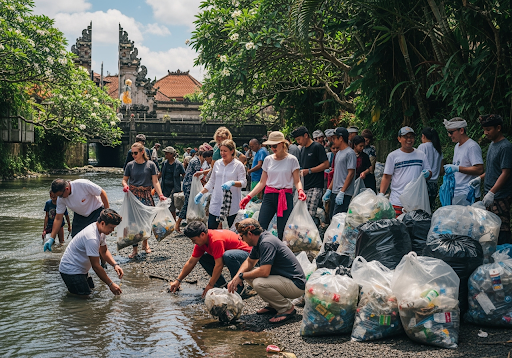
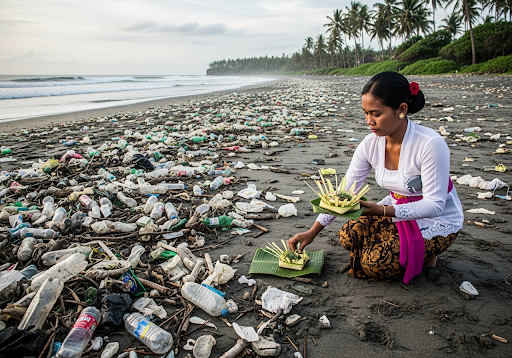
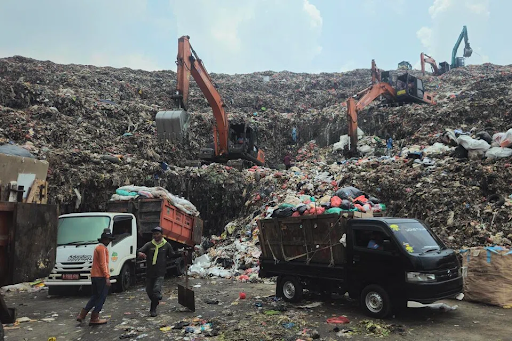
Landfills across Indonesia are filling fast. In cities like Jakarta and Denpasar (Bali), mountains of rubbish grow every day, threatening public health and the environment. Traditional landfill disposal is no longer sustainable, and illegal dumping and open burning contribute to air and water pollution.
Waste-to-energy (WTE) incinerators offer a solution: by burning municipal solid waste at high temperatures, these facilities can reduce landfill needs by up to 90% and generate electricity to power homes and businesses. According to Indonesia’s Ministry of Public Works and Housing, the planned incinerators will play a central role in the country’s “waste to energy” megaproject (Tempo, 2024).
The Scale and Cost of the Project
Indonesia’s plan is truly massive. The government intends to build 30 incinerators in major cities by 2027, with the first wave of projects launching tenders as soon as late 2025. Each facility is expected to cost up to US$234 million (Straits Times, 2023), making this one of the largest infrastructure investments in the country’s waste sector.
Funding for the incinerators will come from a mix of “patriot” bonds, government-issued bonds to encourage local investment, and private-sector partnerships. The government hopes this model will attract both domestic and international investors, ensuring the financial sustainability of the project.
“The waste-to-energy program is set to launch in November 2025, and the program tender will commence at the end of October 2025.”
— Tempo.co
How Will Waste-to-Energy Work in Indonesia?
Modern WTE incinerators use advanced technology to burn waste at high temperatures, converting it into steam that drives turbines to generate electricity. The process significantly reduces the volume of waste, leaving behind a small amount of ash that can be safely disposed of or even used in construction materials.
Indonesia’s incinerators are projected to:
- Reduce landfill needs by up to 90%
- Generate enough electricity to power entire urban districts
- Cut greenhouse gas emissions by up to 80% compared to open dumping or burning (Indonesia Business Post, 2024)
The government’s goal is to create a circular economy, where waste is no longer seen as a problem but as a resource for energy and economic growth.
Bali as a Leading Example
Bali, Indonesia’s world-famous tourist island, has already completed its first major incinerator project under this initiative. The island’s rapid growth and popularity have led to a surge in waste generation, with local landfills struggling to cope. The new Bali incinerator is expected to serve as a model for other cities, showing how waste-to-energy can address both environmental and energy challenges.
Environmental and Health Concerns
Despite the promise of modern incinerator technology, concerns remain—especially about air quality and public health. Burning waste can release harmful emissions, including dioxins, heavy metals, and fine particulate matter, if not properly controlled.
The Indonesian government and project developers have pledged to use the latest emission-control technologies, including scrubbers and filters, to minimise air pollution. However, environmental groups and some local communities worry that even advanced incinerators may pose risks, especially if regulations are not strictly enforced.
“Concerns remain about potential health risks from emissions, despite modern incinerator technology.”
A recent air quality study near an East Java waste-to-energy plant sparked debate among scientists, with some warning that long-term exposure to incinerator emissions could affect respiratory health (Mongabay, 2025). The government insists that all plants will meet international safety standards, but ongoing monitoring will be essential.
Funding and Partnerships
To finance the estimated US$7 billion project, Indonesia is turning to a mix of public and private funding sources. “Patriot” bonds are being marketed to local investors, while international companies with expertise in WTE technology are being invited to join as partners. The government hopes that successful implementation in Bali and Jakarta will attract further investment for the remaining projects.
Global Context: Indonesia’s Waste Crisis
Indonesia is the world’s second-largest contributor to marine plastic pollution, after China. The country generates over 64 million tonnes of waste per year, much of it ending up in rivers and the ocean. By shifting to waste-to-energy incinerators, Indonesia aims to reduce its reliance on landfills, cut greenhouse gas emissions, and create a cleaner, more sustainable environment for future generations.
Looking Forward
If successful, Indonesia’s waste-to-energy megaproject could serve as a model for other developing nations facing similar waste management challenges. The combination of large-scale infrastructure investment, modern technology, and public-private partnerships could help the country turn its rubbish problem into a source of clean energy.
However, the project’s success will depend on strong government oversight, community engagement, and a commitment to environmental safety. As the first incinerators come online, all eyes will be on Indonesia to see if it can deliver on its bold promises.